Toggle Nav

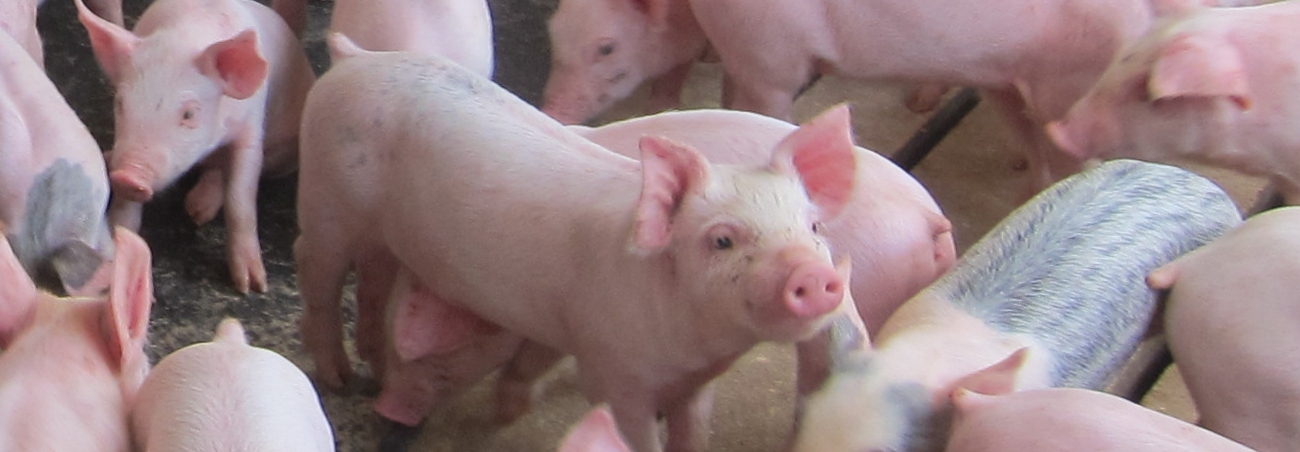
Porcine Parvovirus Infection (PPV) is the most common and important cause of infectious infertility in swine throughout the world. When the virus is introduced into a fully susceptible breeding herd, it can have devastating effects. Porcine parvovirus is a fairly tough virus that multiplies normally in the intestine of the pig without causing clinical signs. Some manifestations of the disease are described by the acronym of SMEDI
If you test for it in your pig herd it is almost certain it will be present unless your herd is less than 100 sows when it might have died out. Though an infection you have to live with and manage, when older swine are infected only a mild or subclinical disease is apparent.
The virus has also been associated more rarely with respiratory disease and vesicular disease, and systemic disease of neonates. Although there are genetic differences between some porcine parvovirus strains, only a single serotype is recognized.
The virus can survive outside the host for several months, making it endemic in most herds which explains why it is widespread and so difficult to remove from the pig environment.
Small litters associated with embryo loss before 35 days.
Mummified pigs of varying size.
Increased numbers of stillbirths.
Abortions are uncommon.
There may be an increase in low birth weight in piglets.
Lasts for up to 8 weeks then dwindles for 4-6 weeks, followed by smaller bouts of mummified pigs for a further 4-6 weeks.
The virus can take up to 4 months to infect all sows in a susceptible previously uninfected herd.
Exposing pigs to other pigs or boots, clothing, or equipment that have been around other pigs greatly increases the risk for disease transmission.
Virus can be transmitted through feces and placental fluids along with infected fetuses.
Oronasal transmission among animals and mechanical transmission from boars are also concerns.
Probably the best way to prevent PPV infection is to vaccinate all susceptible breeding stock twice, 2 weeks apart, several weeks before breeding using killed vaccines. They should stimulate an active immunity in the dams that will protect the developing fetuses. Alternatively, seronegative stock can be exposed to a herd of seropositive older stock and used for breeding only after seroconversion. Some of those should be shedding virus that would stimulate development of an active immunity. While there is no effective treatment for PPV infection, the following vaccines are very effective at preventing Porcine Parvovirus disease. Vaccination programs need to be modified to each swine operation and should be developed in consultation with your veterinarian.
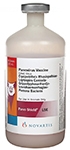
Aid in the prevention of disease caused by porcine parvovirus, E. rhusiopathiae, and Leptospira pomona.
Combination of killed virus and bacteria for better protection.
Safe for use in pregnant animals.
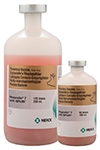
98.6% reaction free.
Proven effective parvovirus protection: 85% pigs born to vaccinated sows were normal compared to 21% born to control sows.
Inactivation process of parvovirus ensures antigenicity.
Adjuvant for maximum immune response and low reactivity.
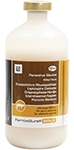
Approved for use in healthy breeding swine as an aid in preventing reproductive failure caused by porcine parvovirus.
Two adjuvants, including Amphigen, which enhances the immune response using the animal’s natural defense system to fight disease.
Help protect against some of the leading causes of reproductive failure in swine.
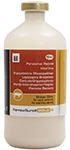
Approved for use in healthy breeding swine as an aid in preventing reproductive failure caused by porcine parvovirus.
Help protect against some of the leading causes of reproductive failure in swine.
Safely administered to pre-breeding gilts and that a dose can be safely given to pregnant sows as late as two to four weeks prior to farrowing.
It's important to contact your veterinarian to determine the best vaccination program for your site.
If you have any questions, please contact Pipestone Veterinarian Services by calling 507-562-PIGS(7447).