Toggle Nav


Swine dysentery is a mucohemorrhagic diarrheal disease of pigs that affects the large intestine caused predominately by Brachyspira hyodysenteriae, an anaerobic spirochete that produces a hemolysin, although other organisms may contribute to the severity of lesions.
The Brachyspira proliferate in the large intestine and causes degeneration and inflammation of the superficial mucosa, hypersecretion of mucus by mucosal epithelium, and multifocal bleeding points on the mucosal surface. The organism does not penetrate beyond the intestinal mucosa. While sll ages of swine may have swine dysentery, it seldom is apparent in piglets less than three weeks old.
Swine dysentery occurs worldwide in the major swine-raising countries and can cause very significant economic losses on affected herds, however the disease occurs more frequently during the growing/finishing periods.
In the United States, swine dysentery now occurs only occasionally because of successful eradication and/or effective manure removal techniques. Outbreaks occur throughout the year, more often in late summer and early fall.
The signs and symptoms of Swine Dysentery are:
Diarrhea, usually with gray to yellow, mucoid feces often is the first sign noticed
The diarrhea continues and quickly becomes mucohemorrhagic, with excess mucus and fresh blood apparent. In a small percent of the pigs, diarrhea may be preceded by tail twitching or a humped, gaunt appearance. Fresh, red blood in mucus-containing feces often is profuse and the perineal area may become blood stained.
Signs that follow prolonged diarrhea are those associated with dehydration. These include sunken eyes, marked weakness, hollow flanks and weight loss. In advanced cases, appetite is erratic but the animals continue to drink.
Advanced cases remain unthrifty, even with treatment. Occasionally, sudden death is observed. In untreated herds morbidity is high and mortality can approach 50%.
Exposing pigs to other pigs or boots, clothing, or equipment that have been around other pigs greatly increases the risk for disease transmission.
Transmission of B. hyodysenteriae is by ingestion of infectious feces. It can persist in lagoon water for at least two months, moist feces for two months, and soil for 18 days. The organism can also be transmitted by birds, flies, and fomites.
Carrier swine can transmit the agent for at least 90 days
In order to prevent swine dysentery, preventing the introduction of B. hyodysenteriae to negative herds is a high priority.
Additions to the herd should be only from herds known to be free of swine dysentery and should be added only after a quarantine period of 30-60 days.
Various treatment programs have proven effective at controlling but need to be modified to each swine operation and should be developed in consultation with your veterinarian. The following are the current recommend medications to utilize...
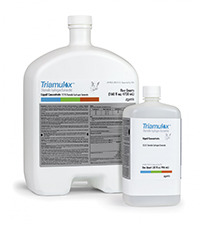
May be administered orally to individual pigs or through the drinking water.
Contains 12.3% tiamulin hydrogen fumarate in an aqueous solution
Dose level of 3.5 mg tiamulin hydrogen fumarate per pound of body weight daily
Triamulox® is for use only in preparing medicated drinking water for swine and is readily absorbed from the gut and can be found in the blood within 30 minutes after dosing.

Is an effective antibiotic for the treatment of swine dysentery (SD) associated with Brachyspira (formerly Serpulina or Treponema) hyodysenteriae susceptible to tiamulin.
Denagard Liquid Concentrate is administered in the drinking water for 5 - 10 consecutive days and is also effective for pneumonia treatment due to Actinobacillus pleuropneumoniae and ileitis associated with Lawsonia intracellularis.
It's important to contact your veterinarian to determine the best antibiotic program for your site.
If you have any questions, please contact Pipestone Veterinarian Services by calling 507-562-PIGS(7447).