Toggle Nav

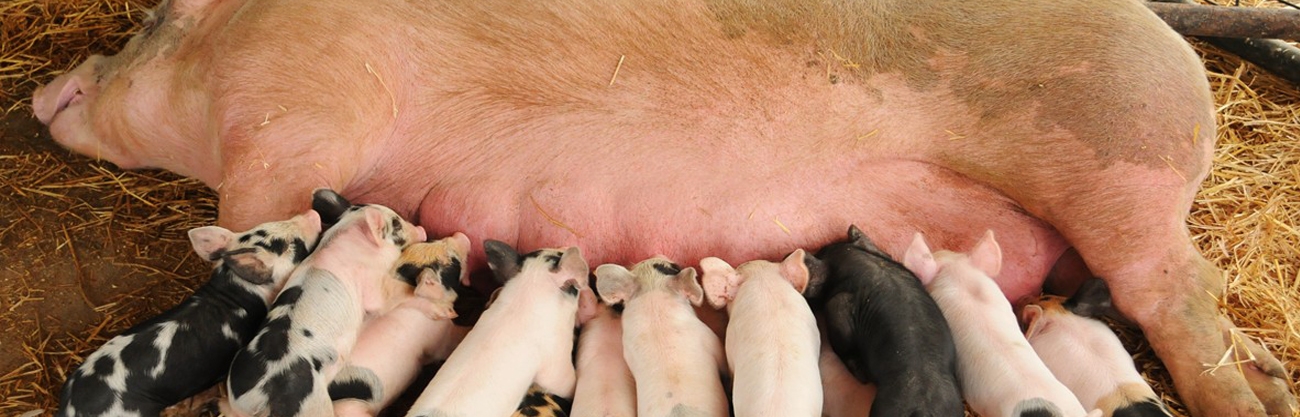
Streptococcus Suis is a significant pathogen of disease in swine and one of the most important causes of bacterial mortality in piglets after weaning.
It is considered a normal inhabitant of the upper respiratory tract (especially nonvirulent strains) and can be easily found in tonsils, which are considered a natural niche. It can also be isolated from the reproductive and GI tracts of clinically healthy pigs.
Asymptomatic carriers serve as a source of infection for their pen mates after they are mixed and commingled in the nursery, when maternal antibodies are no longer present. Clinical infections are seen mainly in weaned pigs (2–5 wk after weaning), growing pigs, and less frequently, suckling piglets and adult animals.
The bacteria is capable of causing disease in the brain (meningitis) and other organs (septicemia). Other manifestations caused by Strep suis may include polyserositis, arthritis, valvular endocarditis, myocarditis, and pericarditis.
It has a worldwide distribution, and originally 35 serotypes based on capsular antigens had been described (serotypes 1 to 34 and serotype 1/2). However, there is still some controversy, because serotypes 20, 22, 26, 32, 33, and 34 have been suggested as not being part of the S suis species. Nonetheless, the number of serotypes considered as highly virulent is relatively small and depends mainly on geographic location.
Although pigs from birth to adult may be affected, Strep suis disease outbreaks occur most frequently in recently weaned pigs. Outbreaks may be brought on by stress such as mixing, moving, weighing, vaccinating and weather changes which affect the ventilation and heating of buildings.
The signs and symptoms of Streptococcus Suis are:
Loss of appetite and/or reddening of skin.
Fever and/or depression.
Loss of balance.
Lameness, paralysis, paddling, shaking and/or convulsing.
Blindness and deafness may occur.
Exposing pigs to other pigs or boots, clothing, or equipment that have been around other pigs greatly increases the risk for disease transmission.
Commonly transmitted from sow to piglets during farrowing or nursing. Can be transmitted by direct pig contract between and non-infected animals.
Prompt recognition of the early clinical signs of streptococcal meningitis, followed by immediate parenteral treatment of affected pigs with an appropriate antibiotic, is currently the best method to maximize survival. The early stages of meningitis may be difficult to detect, so weaned pigs should be observed 2–3 times daily on farms where S suis infections are a problem. The following have been found to be extremely effective at combating the spread of the disease:
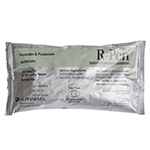
Use in pigs requires oversight and direction of a veterinarian under a valid Veterinary-Client-Patient-Relationship.
Water-soluble powder mixes well and can be used in automatic watering systems and gravity flow watering systems.
Use in pigs requires oversight and direction of a veterinarian under a valid Veterinarian under a valid Veterinary-Client-Patient-Relationship.
Used during the early stages of production to treat sows or piglets against some respiratory infections caused by Pasteurella multocida, Streptococcus suis, Staphylococcus hyicus and Haemophilus parasuis.
Target treatment by room or pen within the same building.
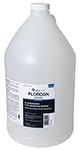
Florcon is a synthetic broad-spectrum antibiotic for the treatment of swine respiratory disease.
Effectively combats Antinobacillus pleuropneumoniae, Pasteurella multocida, Salmonella choleraesuis and Streptococcus suis in swine.
Treatment is only through drinking water.

Offers treatment against Actinobacillus pleuropneumoniae, Pasteurella multocida, Haemophilus parasuis and Streptococcus suis.
Only single dose injectable antibiotic approved for swine that delivers at least 7 days of therapeutic plasma levels with one injection.
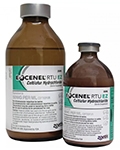
Short, four-day pre-slaughter withdrawal time, one of the shortest withdrawal times of any treatment on the market today.
Indicated for control and treatment of Swine Respiratory Disease associated with Actinobacillus (Haemophilus) pleuropneumoniae, Pasteurella multocida, Salmonella choleraesuis and Streptococcus suis.
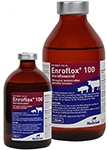
Approved for the treatment and control of Swine Respiratory Disease (SRD) associated with Actinobacillus pleuropneumoniae (APP), Pasteurella multocida, Haemophilus parasuis and Streptococcus suis.
FDA-approved sterile, ready-to-use injectable antimicrobial solution.
100 mL, 250 mL and 500 mL bottles.
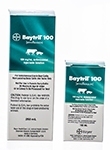
Powerful, fast-acting antimicrobial for treatment and control of swine respiratory disease associated with Actinobacillus pleuropneumoniae, Pasteurella multocida, Haemophilus parasuis and Streptococcus suis.
Works fast and starts killing bacteria within a matter of minutes.
Single, subcutaneous injection.
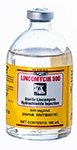
Recommended treatment for common causes of infectious arthritis that are Staphylococci, Streptococci, Erysipelothrix and Mycoplasma spp.
48 hour slaughter withdrawal.
It's important to contact your veterinarian to determine the best preventative and treatment program for your swine to control strep in your herd.
If you have any questions about porcine ileitis and your herd, please contact Pipestone Veterinarian Services by calling 507-562-PIGS(7447).