Toggle Nav

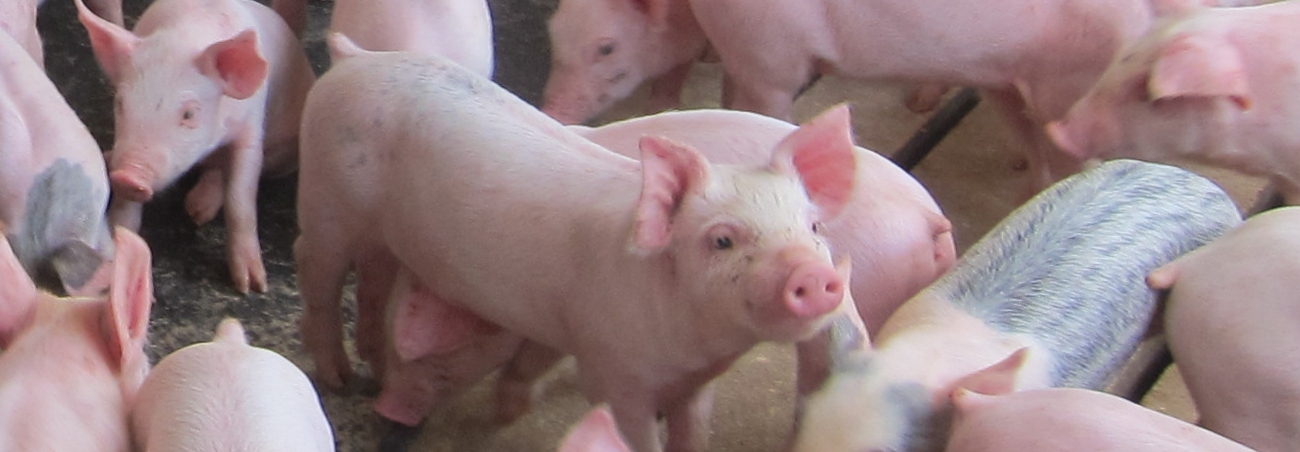
The Rotavirus is widespread in pig populations. It is present in most if not all pig herds with virtually a 100% sero-conversion in adult stock. A further epidemiological feature is its persistence outside the pig where it is resistant to environmental changes and many disinfectants. Maternal antibodies persist for 3-6 weeks after which pigs become susceptible to infection but exposure does not necessarily result in disease. It is estimated that only 10-15% of diarrhea in pigs are initiated by a primary rotavirus infection. In a mature herd, disease appears after piglets are 7 to 10 days of age. It becomes progressively less important with age. While there are opportunities to control and prevent scours in farrowing, if pathogenic strains of E. coli are present severe disease can occur with heavy mortality.
In sows...
Transient Diarrhea
In piglets...
Watery, profuse diarrhea lasting more than 3 days.
Intestinal villi atrophy leading to malabsorption.
Pigs look hollow in the abdomen and become dehydrated.
The eyes are sunken and skin around rectum is wet.
Exposing pigs to other pigs or boots, clothing, or equipment that have been around other pigs greatly increases the risk for disease transmission.
Visible bodily secretions (blood, urine, feces, or mucus) from pigs can contain infectious disease organisms.
Fecal-oral is the primary route of transmission between pigs.
Probably the best way to minimize Rotaviral infections is to vaccinate. Vaccination programs need to be modified to each swine operation and should be developed in consultation with your veterinarian.
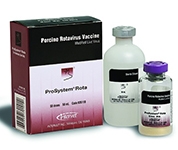
First USDA-licensed vaccine with two serotypes of serogroup A rotavirus; G5 (A1) and G4 (A2); for best protection.
Aids in the control of rotaviral diarrhea in weaned pigs.
Extensively evaluated in experimental tests and field trials.
Proven safe for preweaned pigs by oral and IM route.
Prosystem Rota provides 100% protection from mortality in rotavirus challenge of vaccinated piglets.
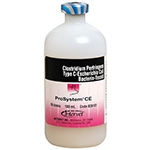
First USDA-licensed vaccine with two serotypes of serogroup A rotavirus; G5 (A1) and G4 (A2); for best protection.
Backpassage studies on MLV rotavirus demonstrates it cannot induce disease.
Contains four major E. coli pilus antigens (K88, K99, F41 and 987P).
Cell free C. perfringens type C toxoid provides broader scours protection for reduced death loss.
Prosystem RCE utilizes a bacterin-toxoid adjuvant to heighten and prolong the immune response and is intended for use in healthy pregnant swine to prevent rotaviral diarrhea, enterotoxemiz and colibacillosis in nursing piglets.
It's important to contact your veterinarian to determine the best vaccination program for your site. If you have any questions concerning treatment and prevention of Rotavirus in swine, please contact Pipestone Veterinarian Services by calling 507-562-PIGS(7447).