Toggle Nav


Ileitis (Lawsonia intracellularis), a gastrointestinal disease, is a common and costly problem and is the primary health problem in growing pigs.
The actual condition is called Proliferative Enteritis and ileitis refers to an inflammation of the small intestinal tract.
Ileitis is known to cause thickening of the small intestine wall and it's this intestinal thickening that slows down growth and development in infected pigs.
There are three forms of the disease – acute, chronic and subclinical and while nearly 42 percent of grow/finish operations reported clinical ileitis and nearly 94 percent of herds with no clinical signs were found to have subclinical ileitis.
The signs and symptoms of subclinical ileitis are:
Lack of apparent clinical signs
Loss of Average Daily Gain by 38 % and Feed Conversion rate by 27%
Occurring in 6-20 weeks of age, the signs and symptoms of chronic ileitis are:
Soft, watery and/or pasty diarrhea
Poor and uneven growth rates
Exposing pigs to other pigs or boots, clothing, or equipment that have been around other pigs greatly increases the risk for disease transmission.
Exposure to contaminated fecal material is the primary route of transmission.
Vaccination programs need to be modified to each swine operation and should be developed in consultation with your veterinarian. The following vaccines have been found to be extremely effective at combating the spread of ileitis:
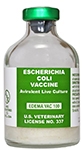
Aids in the prevention of disease associated with the K-88 strain of E. Coli.
Demonstrates efficacy against virulent K-88 E. Coli by decreasing mortality and morbidity associated with enteritis.
Freeze-dried and should be stored at normal refrigeration temperature.
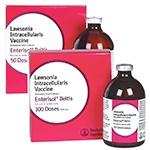
Industry-leading 20-week (five months) duration of immunity (DOI).
With a 20-week DOI, vaccination with this vaccine provides 13 more weeks of protection than the water-administered vaccine on the market.
One-dose, ready-to-use injectable vaccine.
As the only injectable vaccine available for ileitis, this vaccine allows for vaccination of pigs at 3 weeks of age or older – an age when they are easier to handle.
A single-bottle vaccine means no mixing, combining or risk of contamination from the process.
No worrying about removing feed-grade antibiotics during vaccination.
Before any course of treatment commences, it is very important to secure an accurate diagnosis of the cause of diarrhea, in order to ensure the correct pharmaceutical product is used. It is particularly important to rule out viral or coccidial causes of diarrhea.
Equally important, as part of the treatment program, is the provision of electrolytes to reduce the severe dehydration that actually kills many piglets.
The following listed are part of an effective ileitis treatment program in pigs...
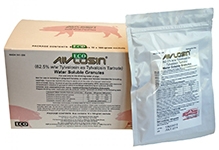
Rapidly absorbed, widely distributed to target tissues, extensively metabolized and rapidly excreted.
No withdrawal period is required before slaughter – another benefit when breakdowns occur in late finishing.
The in-water delivery system also offers the farmer the flexibility to treat individual pens or barns.
Rapid, cost effective and flexible solution for the control of subclinical, chronic and acute cases of ileitis .
It's important to contact your veterinarian to determine the best vaccination program for your site to control ileitis.
If you have any questions about porcine ileitis and your herd, please contact Pipestone Veterinarian Services by calling 507-562-PIGS(7447).