Toggle Nav

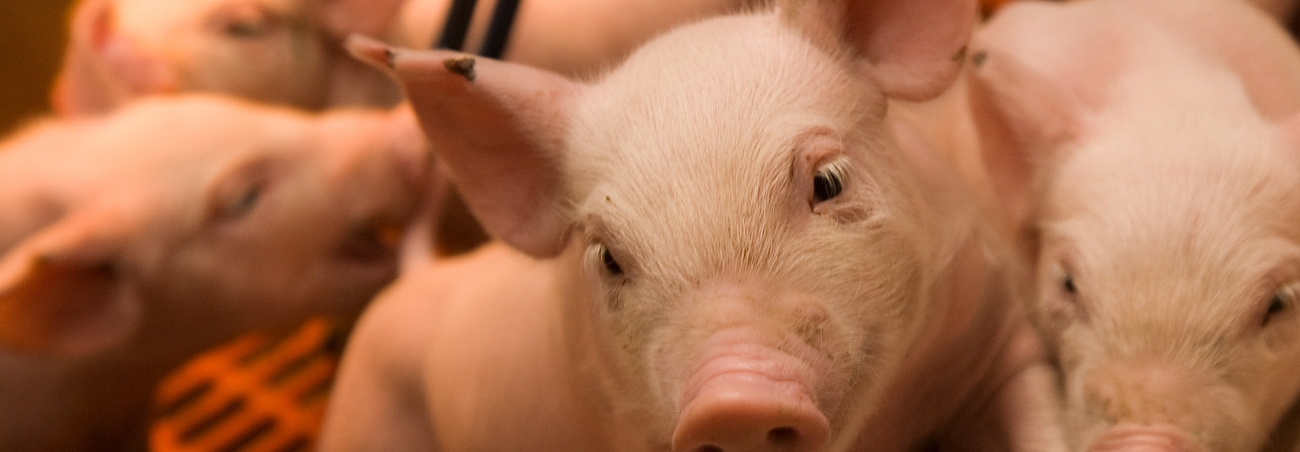
Porcine Epidemic Diarrhea virus is a member of the family Coronaviridae that also includes other swine viruses such as transmissible gastroenteritis virus (TGEV), porcine respiratory coronavirus (PRCV), and porcine hemmaglutinating encephalomyelitis virus (HEV).
The presence of Porcine Epidemic Diarrhea Virus was confirmed in the United States during 2013. PEDV is thought to have caused outbreaks of diarrhea in Europe as early as 1971 and PEDv was identified in Asia as early as 1982. Epidemic outbreaks are sporadic in these regions and are reported to be of greater significance in Asia in more recent years. The virus produces acute and severe outbreaks of diarrhea that rapidly transmits among all ages of pigs. In fact, Pipestone Research has discovered the possibility of PEDv residing in feed ingredients.
PEDv does not affect any other species, including humans, and is not a food safety issue.
The signs and symptoms of Porcine Epidemic Diarrhea virus (PEDv) are:
In Sows
This can vary from very mild "cow pat" feces through to a watery diarrhea.
Loose feces.
In Piglets
Excessive Scouring.
Diarrhea/vomiting.
Dehydration.
Increased pre-wean mortality (7-10 days).
In Weaners and Growers
Acute watery diarrhea with no blood or mucus.
Mortality is usually low but morbidity can be high.
Vomiting.
When the virus is first introduced on to the farm there is a rapid spread of diarrhea across all breeding and growing pigs with almost 100% morbidity (pigs affected) within 5 to 10 days. The incubation period is 2 to 4 days.
Exposing pigs to other pigs or boots, clothing, or equipment that have been around other pigs greatly increases the risk for disease transmission.
Oral exposure to the virus is the primary route of transmission.
Oral exposure can occur through pig to pig contact or consumption of contaminated feed products.
The following vaccines are very effective at preventing Porcine Epidemic Diarrhea virus spread. Vaccination programs need to be modified to each swine operation and should be developed in consultation with your veterinarian..
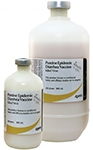
For prefarrowing vaccination of healthy pregnant sows and gilts.
Healthy pregnant swine should receive 2 doses with the first dose being administered 5 weeks prior to farrowing.
50-dose and 250-dose vials.
It's important to contact your veterinarian to determine the best vaccination program for your site and prepare your barn for PEDv season.
If you have any questions, please contact Pipestone Veterinarian Services by calling 507-562-PIGS(7447).