Toggle Nav

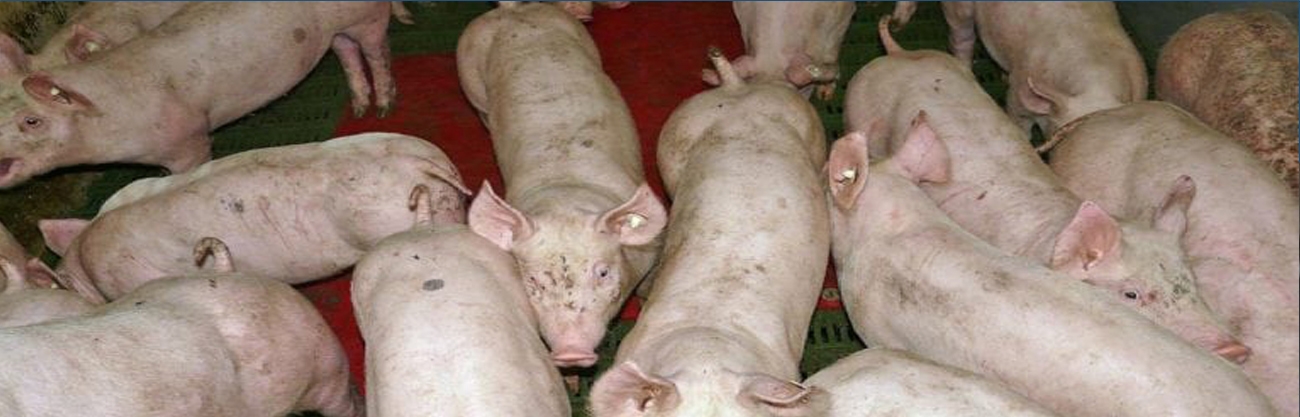
Porcine circovirus disease (PCVD) is the term for a viral disease of pigs that has emerged as a major problem in the United States.
Porcine circovirus type 1 (PCV1) was first identified in 1974 and was recognized as a non-disease-causing agent that frequently occurred in laboratory tissue cultures. In 1991, swine veterinarians in western Canada began reporting cases of nursery pigs falling ill with clinical signs that included a progressive loss of body condition, visibly enlarged lymph nodes, difficulty breathing, and less commonly diarrhea, pale skin, and jaundice.
The name "postweaning multisystemic wasting syndrome" (PMWS) was applied to the disease. In 1997, a new circovirus (PCV2) was isolated from these outbreaks. Since that time, researchers have been able to successfully reproduce the disease by inoculating pigs with PCV2 in the laboratory.
PMWS has now been reported from most pig-producing countries of the world. Additional PCV2-associated diseases have also been described including reproductive failure, respiratory disease in finishing pigs, and an unusual skin and kidney disease referred to as porcine dermatitis and nephropathy syndrome (PDNS).
This prolific virus impairs the immune system and leaves pigs susceptible to other swine diseases and pigs affected may experience increased mortality, poor growth and weight loss, progressing to the level of severe thinning, weakness, and a considerable longer time to market.
The signs and symptoms of Porcine Circovirus (PCVD) are:
Diarrhea
Difficulty Breathing
Enlarged Lymph Nodes
Stomach Ulcers
Jaundice
Skin Rashes
Possible Sudden Death
Exposing pigs to other pigs or boots, clothing, or equipment that have been around other pigs greatly increases the risk for disease transmission.
Visible bodily secretions (blood, urine, feces, or mucus) from infected pigs is another major transmission factor.
The following vaccines are very effective at preventing Porcine circovirus disease. Vaccination programs need to be modified to each swine operation and should be developed in consultation with your veterinarian..
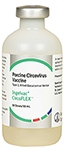
Single-dose, 1 mL vaccine approved for pigs 3 weeks of age or older reduces pig handling and stress by reducing labor and number of injections.
Provides at least 4 months of immunity, long enough to last through the critical grow-finish stage. Unlike two-dose products, it provides effective immune response within 2 weeks after single dose vaccination.
Because it contains both PCA™ and ImpranFLEX®, Ingelvac CircoFLEX® provides a strong immune response with low risk of injection site or other adverse reactions in pigs.
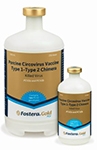
Contains two PCV2 genotypes (PCV2a and PCV2b) to provide broader antigenic coverage.
This vaccine has the longest duration of immunity (DOI) against PCV2 of 23 weeks. This length of coverage can help reduce the risk of late breaks near finishing.
Developed to have minimal post-vaccination reactions.

True combination vaccine, not a mix of 2 existing products. The first PCV and Mycoplasma hyo combination vaccine with one-dose, one-bottle convenience with protocol flexibility.
Manufacturing process helps remove extraneous proteins that can affect efficacy and safety.
Improved average daily gain (ADG) up to 4.5% in vaccinated pigs tracked from processing to market in a dual-challenge comparative study.
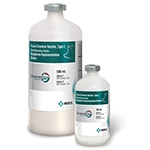
A reliable, one or two -dose, ready-to-use combo vaccine for PCV2 and Mycoplasma hyopneumoniae.
No mixing, combining or risk of contamination from the process.
The only PCV2 and Mycoplasma hyo vaccine approved for use in pigs as early as 3 days of age.
Aids in the prevention of PCV2 viremia, which is the initial step in the development of PCV2 disease.
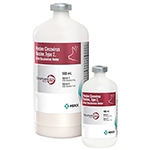
The only PCV2 vaccine that’s approved for use in pigs as young as 3 days of age (two-dose option).
Pigs get off to a stronger start because they are ready to face PCV2 as they are leaving farrowing.
Same superior efficacy, now with five-month duration of immunity.
Aids in the prevention of PCV2 viremia, which is the initial step in the development of PCV2 disease.
It's important to contact your veterinarian to determine the best vaccination program for your site.
If you have any questions, please contact Pipestone Veterinarian Services by calling 507-562-PIGS(7447).